How to Register a Trademark in India: Expert Legal Guide for 2026
Expert legal guide to trademark registration in India — explained by Company Secretary Prashant Kumar, who has filed thousands of trademarks and handled objections and oppositions.
Company Secretary
Expert legal guide to trademark registration in India — explained by Company Secretary Prashant Kumar, who has filed thousands of trademarks and handled objections and oppositions.
Learn how Indian startups and employees can plan ESOP taxation under the Income Tax Act, 1961 — covering perquisite tax, capital gains, and DPIIT exemptions.
A practical guide to ESOP buybacks under Indian law — how startups can legally execute buybacks, plan liquidity events, and manage taxation and compliance.
Every ESOP in India must comply with Rule 12 of the Companies Act. Learn how startups can legally approve, file, and report ESOPs — from MGT-14 to PAS-3 and valuation.
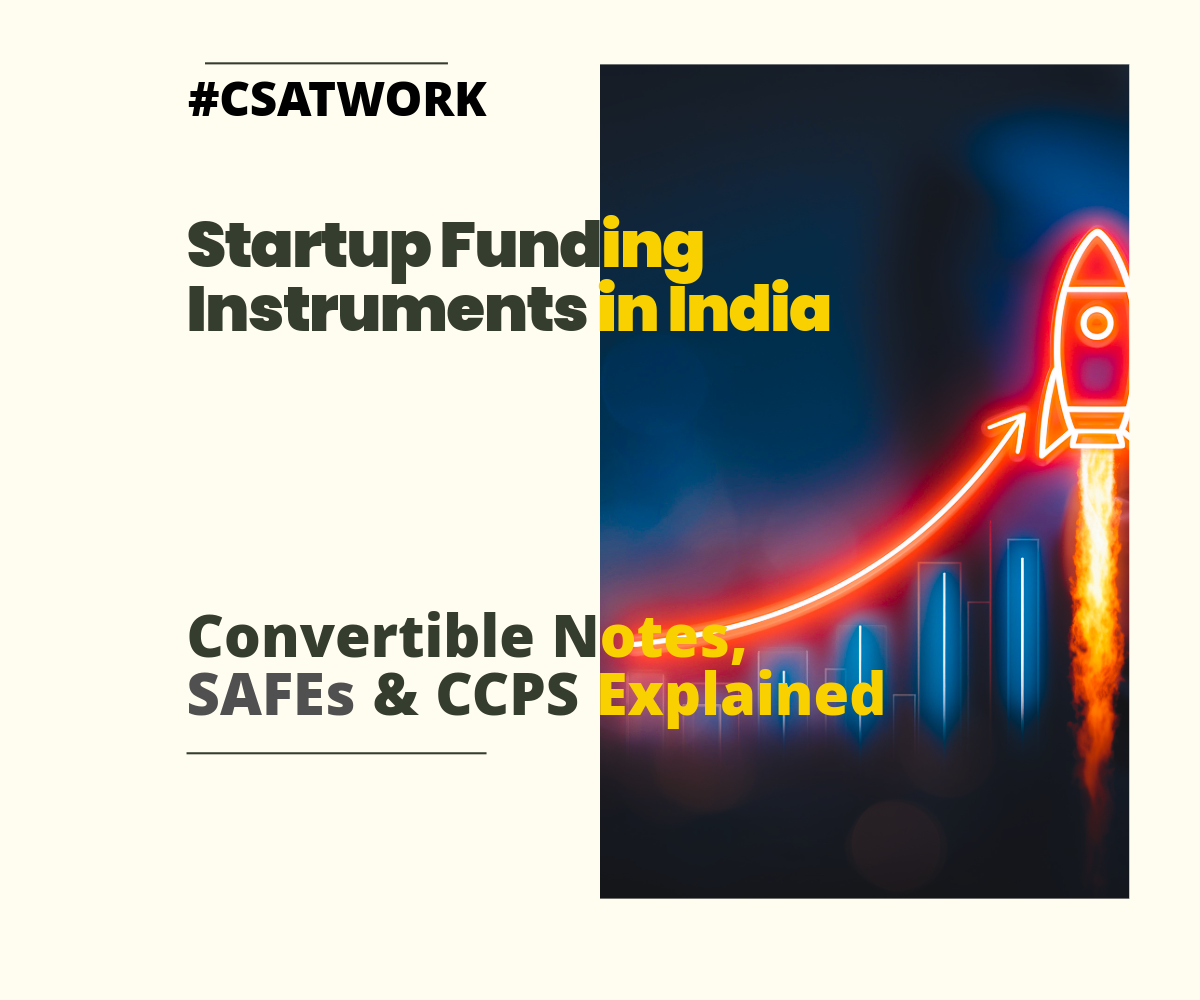
Early-stage startups often raise funds before valuation through instruments like Convertible Notes, SAFEs, and CCPS. This 2025 guide by Pratham Legal explains how each works under Indian company and FEMA laws, helping founders choose the right structure for investors while staying legally compliant.
An Employee Stock Option Plan (ESOP) allows employees to become co-owners in the company they help build. For startups and private companies, ESOPs are a powerful tool to attract, retain, and motivate key talent — without straining cash flow. This article explains how ESOPs work in India, their legal framework, and why they’re vital for sustainable growth.
The MCA V3 Portal has transformed annual filing into a detailed, digital process. This guide explains how AOC-4 and MGT-7 are now filed online, what’s changed from the old V2 system, and why the process takes more time under the new regime.
Learn the key difference between a trademark, copyright, and patent in India — what each protects, how they’re registered, and why early IP protection builds long-term business value.