




How to Register a Trademark in India: Expert Legal Guide for 2026
Expert legal guide to trademark registration in India — explained by Company Secretary Prashant Kumar, who has filed thousands of trademarks and handled objections and oppositions.
Company Secretary
Expert legal guide to trademark registration in India — explained by Company Secretary Prashant Kumar, who has filed thousands of trademarks and handled objections and oppositions.
Learn how Indian startups and employees can plan ESOP taxation under the Income Tax Act, 1961 — covering perquisite tax, capital gains, and DPIIT exemptions.
A practical guide to ESOP buybacks under Indian law — how startups can legally execute buybacks, plan liquidity events, and manage taxation and compliance.
Every ESOP in India must comply with Rule 12 of the Companies Act. Learn how startups can legally approve, file, and report ESOPs — from MGT-14 to PAS-3 and valuation.
Startups use ESOPs to retain and motivate key talent — but success depends on smart design. This article explains eligibility, vesting, pricing, and performance linkage under Indian company law.
Foreign investors and Indian companies must comply with FEMA rules when issuing or transferring shares. This article explains RBI reporting, valuation norms, timelines, and penalties for FEMA non-compliance — essential for any company with foreign ownership in India.
Foreign nationals serving as company directors or key managerial personnel in India must hold the correct visa — Business or Employment. This article explains eligibility, documentation, and compliance under the Companies Act, FEMA, and MHA guidelines to help foreign-owned subsidiaries stay compliant in 2025.
Foreign-owned companies registering in India must submit notarized and apostilled documents for shareholders, directors, and registered offices. This detailed checklist covers all key paperwork — including NOC format, proof of address, and resident director guidance — ensuring compliance under the Companies Act, 2013.
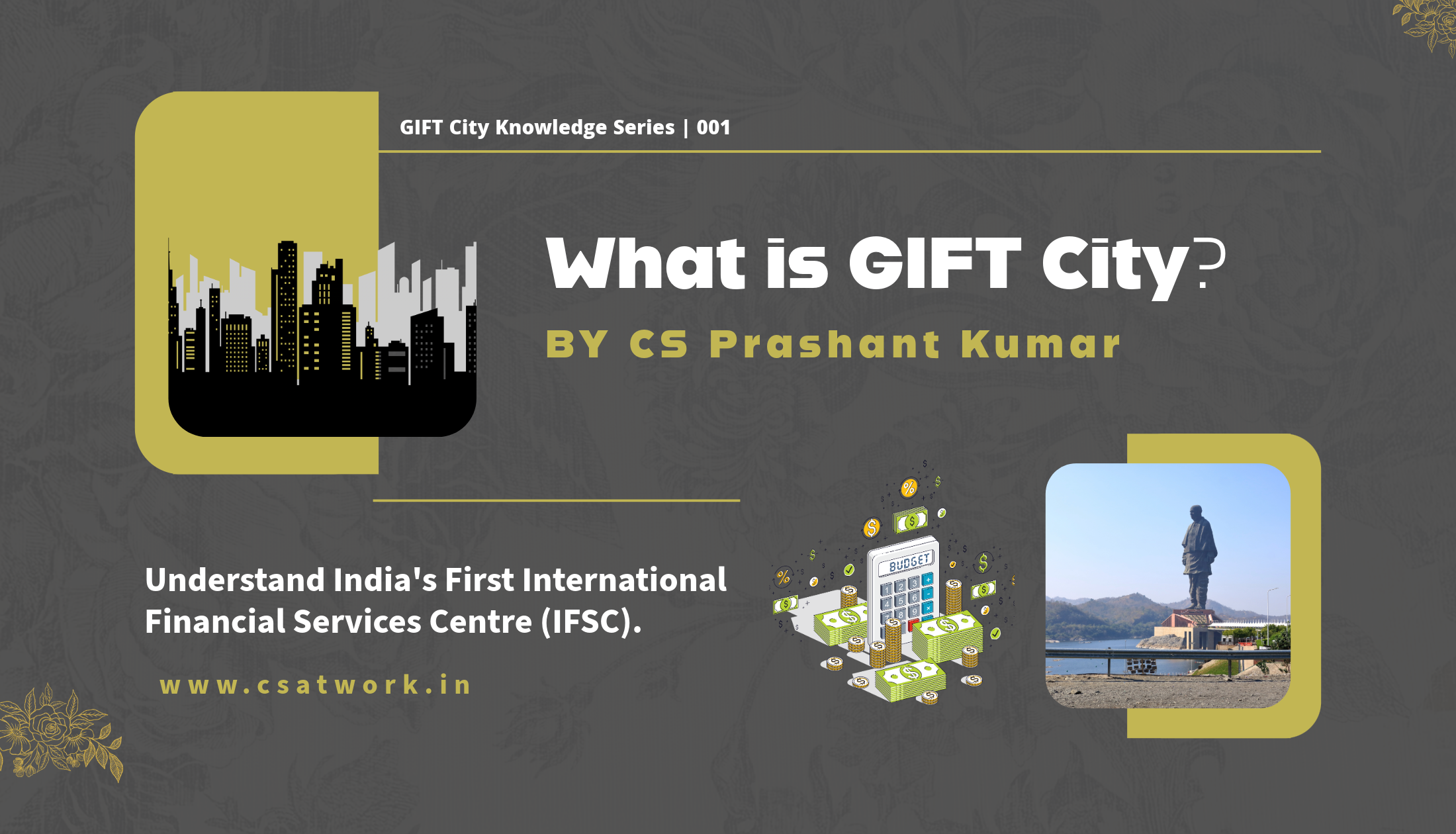
GIFT City (Gujarat International Finance Tec-City) is India’s first International Financial Services Centre (IFSC), designed to attract global financial and fintech activity under one regulatory framework. This article explains its structure, benefits, and why it matters for global business in India.
Early-stage startups often raise funds before valuation through instruments like Convertible Notes, SAFEs, and CCPS. This 2025 guide by Pratham Legal explains how each works under Indian company and FEMA laws, helping founders choose the right structure for investors while staying legally compliant.